Standing water is the engine of every bigger loss β while it sits, walls and floors keep drinking. One call connects you with a local pro equipped to get bulk water out fast and completely.
Tell us how much water there is, where it is standing, and where it came from. We match the job with a local pro with the right pump and extraction capacity, and the pro confirms the scope with you before work begins.
π Call Now Prefer email? Write to us βNo forms, no obligation. A referral service β not a direct service company.

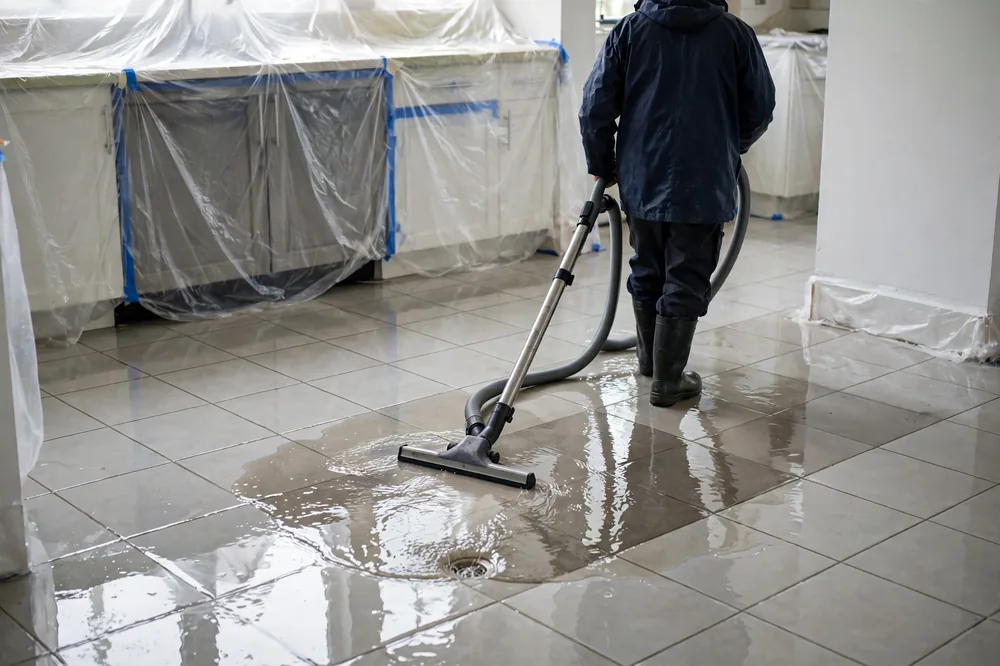
Extraction is the most mechanical phase of water damage work and the one where equipment matters most. A shop vacuum moves gallons; a professional extraction system moves hundreds of gallons an hour and pulls water out of materials, not just off them. The difference shows up later: thorough extraction can cut days off drying and save carpet, padding and flooring that a surface pass leaves soaked.
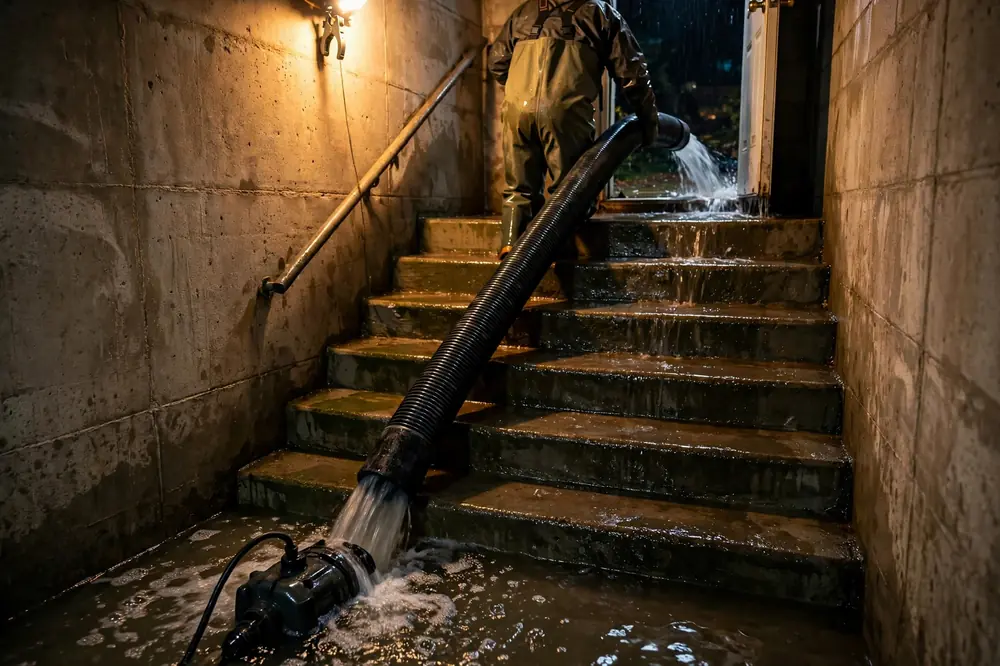
Tennessee gives extraction crews plenty of practice. Storm water pours into basements and ground floors from Nashville to Knoxville. The Mississippi and Tennessee rivers push water into low neighborhoods in Memphis and Chattanooga. Crawl spaces across the state's middle counties fill quietly after plumbing failures. Each setting wants a different tool β submersible pumps for depth, truck-mounted extraction for volume, weighted tools for carpet β and a crew that arrives with the wrong one loses the hours that matter.
Extraction also sets up everything after it. Drying equipment works on moisture, not puddles; a room extracted to the last practical gallon dries in days, while a room left damp at the pad and subfloor can take a week and still lose material. That is why pros treat removal as a phase with its own standards β passes counted, surfaces checked, water tracked to where it is discharged β not a quick once-over before the fans arrive.
Volume handled properly: out of the house, out of the materials, and verified.
The crew measures depth, identifies the source category, and plans discharge before the first pump starts β contaminated water changes both gear and method.
For basements and low areas holding inches to feet of water, pumps move the bulk out quickly and steadily, without the stop-start of small equipment.
High-volume extraction clears floors and large areas; portable units reach upper floors, tight rooms and homes where a truck cannot park close.
Tools that compress carpet and pad while extracting pull out water that surface wands leave behind β often the difference between saving and replacing both.
Tile, vinyl, concrete and hardwood get squeegee-and-vacuum passes that clear water from grout lines, seams and edges where it likes to hide.
Meters confirm what the eye cannot: how much moisture remains in pads, subfloors and wall bases, so the drying plan starts from measured fact.
Five steps from first measurement to a room ready for drying.
The right tool for each surface is what separates removal from mopping at scale.
Pumps rated for continuous duty clear flooded basements steadily, including water with light debris that chokes smaller household pumps.
Riding and stand-on tools use body weight or machine weight to squeeze pad and carpet while vacuuming β recovering water a wand simply cannot reach.
Self-contained flood pumpers move serious volume from large floors; compact portables handle stairs, apartments and finished spaces with care.

How extraction changes the rooms it runs through.
Water wall to wall, boxes floating, the bottom of everything soaked.
Bulk water out, surfaces extracted and meter-checked, drying equipment placed the same visit.
Carpet squelching underfoot, pad saturated, water wicking up the walls.
Water pulled from carpet and pad, pad section removed where spent, walls checked and drying started.
Water sheeting across tile, running under appliances and into the hallway.
Standing water recovered from every seam, appliances checked underneath, subfloor readings logged.
Extraction exists because standing water is never standing still.
Every hour water stands, capillary action carries it higher into drywall and deeper into flooring. Fast, thorough removal is what keeps a one-room loss a one-room loss.
Fans and dehumidifiers cannot fix puddles. Jobs that skip proper extraction dry slowly, smell worse, and lose material that should have been saved.
Storm and drain water moved carelessly spreads contamination across clean areas. Controlled removal with the right protection keeps the dirty part of the job contained.
The crew sizes the job on arrival from these factors.
A half-inch across a basement and two feet in the same space are different operations β pump time, discharge planning and crew size all scale with volume.
Carpet and pad, hardwood, tile, concrete β each surface has its own extraction tool and pass count, and layered floors hide water between levels.
Clean water moves fast and simple. Contaminated water adds protective gear, containment and disposal steps that shape the whole visit.
Stairs, parking distance, elevator buildings and where the water can legally and safely go all affect how the work is staged.
How extraction works, what it can save, and what happens right after.
Nine other ways the network helps Tennessee homes after water gets in.
Tell us how much water and where. We will match your job with an independent local water damage professional who serves your city.
π Call NowCalls are the fastest route β water does not wait for inboxes. Email works too if the situation is stable and you are planning ahead.
One call is the whole intake: where the water is, what caused it, when it started. We match the job locally from there.
π Call NowStable situation, planning ahead? Send photos and a short description and we will line up the right local pro.
rankandrent2+water-damage-tennessee@gmail.comMonβFri 7 AMβ10 PM Β· Sat 8 AMβ10 PM Β· Sun 7 AMβ9 PM (Central Time). Water does not keep office hours, and neither does the damage it causes β call as soon as you find it inside those hours and we will get the match moving.
See service areas βTell us what happened once. An independent local water damage professional confirms the scope and the cost with you before any work begins β no obligation, no pressure.